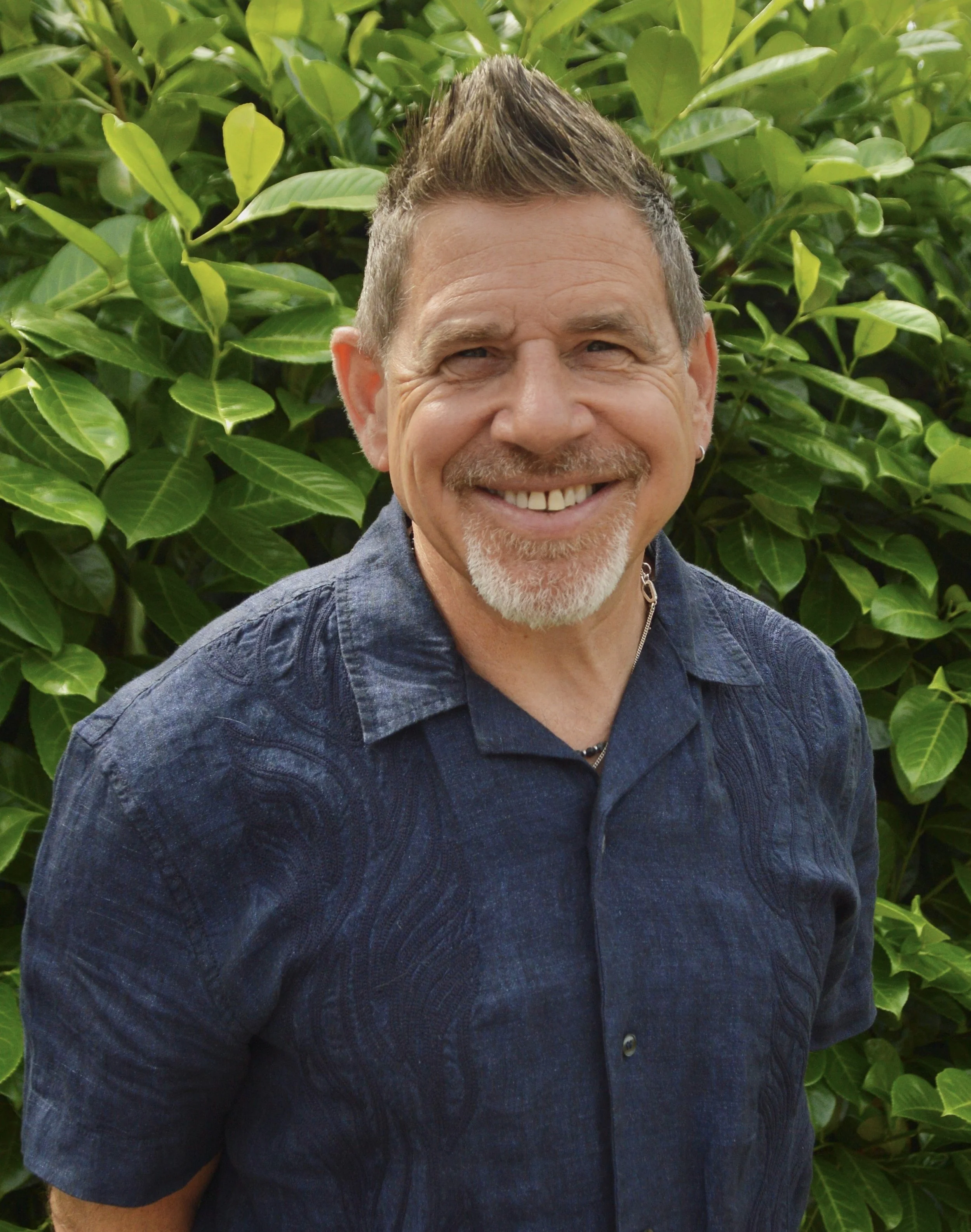
I'm Matt Dobrashian, a person-centred counsellor offering face-to-face counselling in Enfield, North London, as well as online counselling across the UK.
I haven’t always had a clear sense of direction.
There were times in my life where things felt uncertain, and I wasn’t always sure where I was heading.
My younger years were marked by uncertainty and rebellion—often fun, sometimes reckless, and a time when I lost touch with myself.
Returning to education changed things. I discovered a real interest in understanding people, culture, and society, and went on to study sociology.
Travelling through India and volunteering in Kolkata deepened that further. It exposed me to very different lives and experiences, and strengthened my interest in people and what shapes us.
It clarified something important for me—that I wanted to support people through difficult times.
Finding my way to counselling
I then spent nearly 30 years working in secondary schools, alongside young people and families—many navigating special needs and neurodiversity.
That gave me a deep appreciation of the emotional weight families often carry: the strain on relationships, the frustration of not feeling understood, and the quiet toll of putting others first.
Teaching gave me a lot, but over time it became something I felt stuck in—even trapped by at times.
Through my own counselling, I found person-centred therapy.
That experience—of feeling stuck and gradually finding a way through—shaped the direction I took next.
Now I work as a person-centred counsellor, offering a space where you can explore things at your own pace, without judgement or pressure.
My experience
I’m a registered member of the BACP and work in line with their ethical framework, placing your wellbeing at the centre of the process.
I’ve worked with both adults and young people in a range of settings, including colleges, charities and community services, supporting people with anxiety, depression, low self-worth, grief, life transitions, addiction, and experiences connected to neurodiversity.
If something here feels familiar, you’re very welcome to get in touch and see whether working together feels right.